When applying for a job, you’ve probably come across the terms resume and CV. While they are often used interchangeably, there are key differences between the two documents. Understanding the main difference between CV and resume can help you present your qualifications effectively and stand out to employers.
In this article, we’ll explore:
- What a resume and CV mean
- The main differences between a CV and a resume
- Resume vs CV examples
- Where to find free templates for resumes and free download resume format
- Curriculum Vitae examples
- Frequently asked questions
Let’s dive in!
What Does Resume or CV Mean?
Resume (pronounced rez-oo-may) is a French word meaning “summary.” A resume is a concise document highlighting your skills, experience, and achievements relevant to a specific job.
CV, short for Curriculum Vitae, is a Latin phrase that means “course of life.” A CV is typically a longer and more detailed document that includes your entire academic and professional background.
What is a CV?
A Curriculum Vitae (CV) is mainly used in academic, medical, research, and scientific fields. It includes:
- Full academic background
- Research experience
- Publications
- Awards
- Professional affiliations
- Conferences and presentations
A CV can be 2–4 pages or longer, depending on your experience level.
Example of a CV use case: Applying for a PhD program, research fellowship, or a position at a university.
What is a Resume?
A resume is a short, targeted document (usually 1–2 pages) tailored to a specific job. It focuses on:
- Professional experience
- Achievements
- Relevant skills
- Certifications
- Education (in brief)
Example of a resume use case: Applying for a corporate job, marketing role, or IT position.
Resume vs CV: Main Differences
| Feature | Resume | CV |
|---|---|---|
| Full Form | Summary | Curriculum Vitae |
| Length | 1–2 pages | 2+ pages |
| Purpose | Job-specific | Academic/professional career |
| Focus | Skills & achievements | Full background |
| Customization | Tailored for each job | Rarely changes |
| Usage (Region) | Common in the US, Canada | Common in Europe, Asia, Africa |
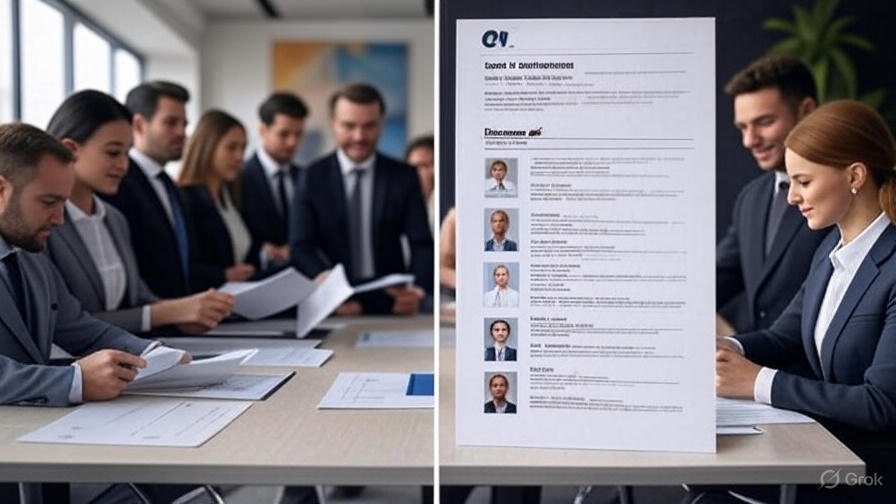
Resume vs CV Examples
Resume Example:
John Doe
Marketing Specialist
[email protected] | LinkedIn

Summary:
Results-driven marketing professional with 5+ years of experience in digital campaigns.

Experience:
- Digital Marketing Manager, XYZ Ltd.
- SEO Specialist, ABC Corp.

Skills: SEO, Google Ads, Email Marketing
Education: BBA in Marketing
Curriculum Vitae Example:
John Doe
PhD Candidate in Biotechnology
[email protected] | ResearchGate

Education:
- PhD in Biotechnology, Harvard University
- MSc in Biology, MIT

Publications:
- “Gene Therapy Advances”, Journal of Genetics, 2023
- “CRISPR in Cancer Treatment”, Nature Biotech, 2022

Conferences:
- Keynote Speaker at Biotech World 2023

Teaching Experience:
- Assistant Lecturer, MIT Biology Department
Free Download Resume Format
Need a quick resume template? Try these platforms offering free resume templates for download:
- Canva – Creative, drag-and-drop templates
- Zety – ATS-friendly formats
- Novoresume – Smart formatting tools
- Microsoft Word Templates
- Indeed Resume Builder
Curriculum Vitae Examples (Free)
Explore professional CV examples for researchers, teachers, and students:
- Europass CV Template (widely accepted in Europe)
- Harvard CV Examples
- LiveCareer CV Samples
Resume Templates for Every Job
Download industry-specific resume templates:
- Creative resumes – Best for designers, marketers
- Professional resumes – Ideal for banks, offices, or legal jobs
- Simple & clean resumes – For freshers and general use
Resume vs CV Difference (Quick Recap)
- Use a resume when applying for jobs in the US or private sector roles.
- Use a CV when applying in academia, research, or jobs in Europe and Asia.
- CV = long and complete history, while resume = short and focused summary.
Final Tips
- Always tailor your resume or CV to the specific position.
- Use keywords from the job description to beat ATS (Applicant Tracking Systems).
- Keep formatting clean and consistent.
- Use PDF format when submitting unless asked otherwise.
FAQs
Q: Can I use a CV instead of a resume?
A: In academic and research fields, yes. Otherwise, stick to a resume for jobs in most industries.
Q: How many pages should a CV be?
A: A CV can be 2–4 pages or more, depending on your background.
Q: Is it okay to include a photo in my resume or CV?
A: It depends on the country. In the US and UK, it’s usually discouraged. In Europe and Asia, it’s often common.